
Going through a divorce is rarely straightforward. For the families that go through the process, there are often feelings of anger and mistrust. Add in disputes over money and childcare, and every conversation can feel like an uphill battle.
Approximately 8.6 men and 8.5 women out of 1,000 married individuals experience this every year, but if you’re experiencing a high-conflict case, you need help. Having someone by your side doesn’t necessarily prevent flashpoints, but it can reduce them, making it easier to arrive at an arrangement that works for everyone.
Here’s how a specialist family law firm can enable you to negotiate high-conflict cases and ensure that you reach a settlement that respects your future needs.
Recognising the signs of a high-conflict divorce

High-conflict divorces come with plenty of warnings, ranging from behavioural signs, communication habits of your ex, financial and legal tactics and the way childcare is managed. Recognising the signs from the beginning can help you prepare and counter them.
Today, the average time for divorce cases to reach first disposal is 41 weeks, but this can take far more time if you’re dealing with a difficult ex. Let’s break down the signs of a high-conflict divorce so that you’re not blindsided during your divorce.
Behavioural signs of a high-conflict divorce
How your ex-spouse behaves and communicates has a tremendous impact on how the divorce process goes. Examples of tactics you might spot include:
Constantly escalating every minor disagreement, turning what should be a straightforward conversation into a highly emotional battle.
Being extremely rigid, including refusing to compromise on minor issues.
Hostile messages, whether that’s over the phone, text messages, or in person. You may feel like you’re being intentionally provoked, gaslighted, trapped or even threatened. Please speak with us if you think you need support from our domestic abuse solicitors.
In some cases, your ex-spouse may refuse to engage at all.
Legal signs of a high-conflict divorce
High-conflict divorces often involve the law being weaponised to draw proceedings out unnecessarily and deprive you of what you’re entitled to.
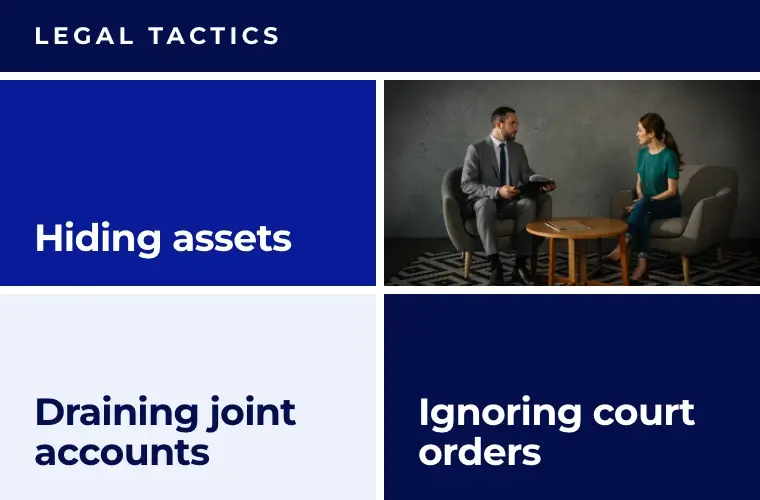
That may include a variety of legal and financial tactics, such as:
· Hiding assets.
· Draining joint accounts.
· Running up debts.
· Changing solicitors repeatedly.
· Ignoring court orders.
· Filing multiple court applications.
· Making false accusations.
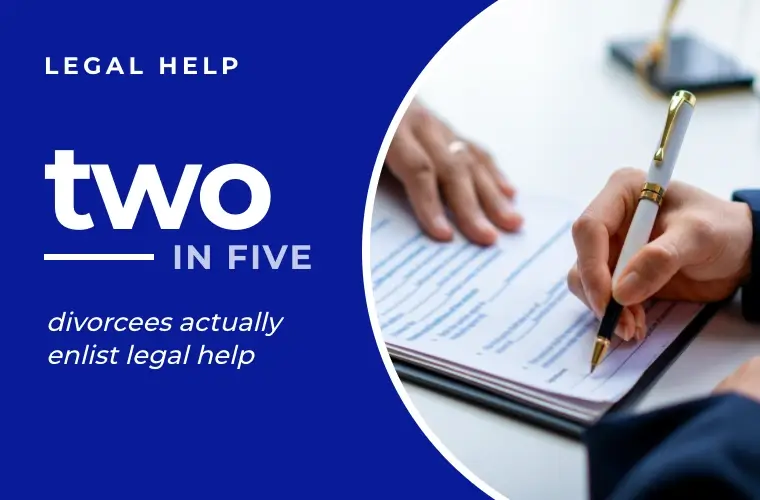
All of these are issues that require time and patience to untangle, and that’s why moving forward with the support of a solicitor is critical. Yet just two in five divorcees actually enlist legal help, putting them at risk of a settlement that doesn’t respect their interests and in some cases doesn’t even meet their needs.
Children and high-conflict divorces
Sadly, children are often used as pawns during divorces to gain the upper hand, turn children against their mother or father, or to purposely cause emotional pain and distress. Examples include:
· Bad-mouthing the other parent.
· Withholding school or medical information.
· Using visiting schedules as leverage.
· Alleging abuse or neglect.
· Drawing schools and social services in excessively.
These strategies are often used to create disputes that were never there and to turn family against family. With proper support, you ensure that you do what’s best for your child, preventing chronic bitterness from damaging their health and well-being.
Strategies solicitors use in high-conflict divorce cases
The good news is that many separating parents mutually agree on child arrangements and financial settlements with minimal conflict and with no court orders required where children are concerned but a financial order should be obtained even when a financial settlement is agreed. In contrast, high-conflict cases often demand structured support.
The first step is often mediation, with each party individually attending a Mediation Information and Assessment Meeting (MIAM) so that a trained mediator can explain the benefits of mediation and how it works. If mediation is appropriate it enables both parties to meet on neutral ground (often remotely) and discuss issues with the assistance of a trained mediator to facilitate discussions.
If an agreement is reached then a solicitor can help you obtain a court order to embody the agreement reached into a court order to ensure it is legally binding and this can be done without having to attend court.
If you’ve already been through this process and were not able to resolve matters then a solicitor can support you in applying to the court for orders that deliver clarity and prevent further conflict. That might include forcing full financial disclosure or obtaining Child Arrangement Orders.
Solicitors try to resolve conflicts amicably as the Family Court expects parties to attempt to resolve matters away from court before making a court application. Strategies family lawyers might deploy include:
Single-channel communication to prevent verbal loops and create a single source of truth.
Acting as a third-party filter to pass on communications.
Organising meetings where spouses stay in separate rooms or attend virtually.
Suggesting the use of a Co-Parenting App to help separated parents communicate without conflict
Forensic accounting to uncover hidden assets.
Working through parallel parenting frameworks.
Recruiting the help of independent professionals to manage ongoing disputes.
Setting firm boundaries.
The goal is to always strike the balance between encouraging cooperation without formal court proceedings and aggressive legal tactics if your ex refuses to cooperate or acts dishonestly. Ultimately, solicitors are there to ensure the best possible outcome for you so that you can begin the next chapter of your life.
How we support clients through conflict in a divorce
At VM Family Law, our priority is to provide a steady, reassuring presence for our clients. We work on your behalf to understand your concerns whilst offering clear advice for how to proceed.
We take the time to sit down and explain the legal process and act as your shield to avoid inflaming tensions further. Likewise, we can explore all legal avenues if you believe that your spouse is hiding assets, trying to intimidate you, or attempting to use your children as leverage.
High-conflict divorces result in emotional, practical and psychological implications for all involved. We regularly support our clients in negotiating the legal process and providing guidance on third-party resources that can help them cope with the strains of a contentious separation.
If you’re experiencing a high-conflict divorce, or you feel like you’re not making any progress, you need experienced divorce solicitors on your side. Contact VM Family Law for your free consultation today for an open and honest breakdown of your next steps and how we can support you.